Levelling up lead magnets with Launch
Generate, capture, and qualify interest before you talk
First things first, an email address is useful, it just does not tell the whole story on its own. Most lead magnets are built to capture contact details, and there is nothing wrong with that per say, but the real opportunity lies in what you choose to do next.
An email capture is a signal of interest, and interest can show up in different ways. Someone might be exploring something new, they might be researching the market, they might be comparing approaches, or they might be recognising a problem they are actively trying to solve. That initial action gives you a starting point, but it rarely gives you the full picture.
Traditional gated PDFs tend to treat every download as the same kind of signal, which means the follow-up often follows the same pattern regardless of context. The real opportunity is not to challenge that, but to build on it. When you add more understanding around why someone engaged in the first place, the next step becomes far easier to judge and far more likely to feel well timed.
Early outreach often is a bit awkward
Cold outreach is awkward even when someone has taken a small step towards you, because a download tells you very little about what prompted it or what they expected to happen next. You’re then left to decide whether to call immediately, ignore the lead, or send it into a nurture sequence if you or marketing have that set up, all without any context that decision becomes literal guesswork dressed up as process.
If this sounds familiar, you are used to sifting through names trying to spot the signals manually. With targets to hit, it is easy to default to trying everyone, yet that often results in wasted time and the occasional good opportunity being mishandled simply because the conversation happened too early.
The quality of what sits behind the gate does not always help either. Static PDFs are frequently assembled quickly and padded out to look substantial, and while they may appear polished, they rarely create meaningful interaction, and the user can even feel a bit mislead. Once the content has been skimmed, what remains is a name in a database, and a download in a folder, and very little understanding either side.
Downloads are out, discovery is in
An interactive lead magnet changes the shape of that first interaction dramatically. It stops being a shallow exchange and becomes something active with depth. Instead of trading contact details for a generic document, someone answers a series of considered questions and receives feedback tailored to their responses. It feels useful immediately and it feels personal, without implying that they have stepped into a sales pipeline before they are ready.
At the same time, enlightenment is happening quietly for you in the background. When the right questions are asked, you can learn who the person is, where their organisation stands, what they are struggling with, what they don’t need help with, what they need solving now, and what they are tired of hearing about. That level of context gives you the ability to judge the pace at which to proceed, and the strongest angle to take to try to encourage a nibble.
This is why interactive lead magnets consistently outperform static downloads. They are typically 5-10 times more effective, even without ad spend or a dedicated sales push. The headline number is less important than what it reflects, which is engagement that feels worthwhile to both sides rather than transactional.
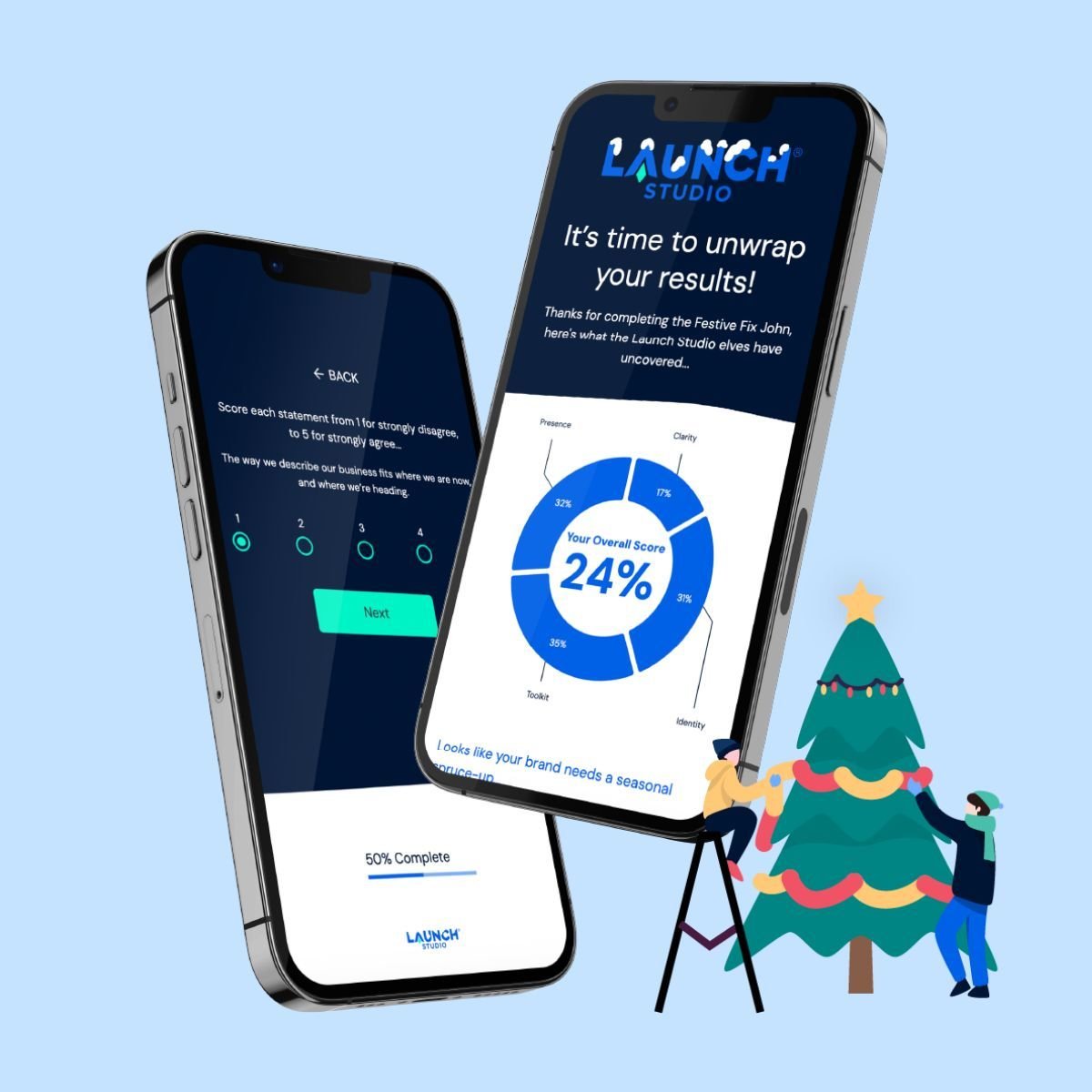
We built and ran our own as part of our Christmas campaign in December 25, and it delivered a 100% completion rate and a 40% conversion into booked calls within the 15-day pilot.
The possibilities are endless
There are far more ways to approach interactive lead magnets than most people realise, because everything is custom to the audience you are speaking to and the context you want to understand earlier. Once you stop thinking in terms of “a download” and start thinking in terms of “a value driven activity”, the options expand and you are only limited by the quality of the questions you are prepared to ask.
There are, however, a few formats that consistently work because they map neatly to common commercial situations.
Calculators are great when the conversation revolves around investment, risk, or return. If someone is weighing up whether an event, sponsorship, campaign, or service is worth the spend, allowing them to input their own numbers and see potential outcomes makes the thinking tangible. It naturally attracts those who are seriously considering impact rather than casually exploring.
Assessments are effective when the problem is less defined. Many businesses know something is not quite right, whether that is brand clarity, marketing performance, or internal structure, but struggle to articulate it. An assessment gives them a structured way to assess their situation, and summarises clearly for them, and more importantly, for you too.
Scorecards work well when organisations want to evaluate what they already have. A care provider might use one to assess safeguarding processes and internal reporting standards before seeking guidance. A construction firm reviewing project delivery could score communication, timelines, and subcontractor coordination to see where breakdowns are occurring before bringing in external resource. A membership body might assess member experience across onboarding, engagement, and renewal to understand where value is being lost or educational tools can be sold. In each case, the lure of getting a score is there, and the gaps are identified for the prospect, and for you to fill with your services. We have one ourselves, you can try it here.
Waitlists are useful when timing is the variable. Around product launches, cohort-based offers, or events, they allow interest to be captured without pressure while giving you a clear sense of demand before you commit further.
Time to stop guessing
This approach is not brand new, although it is still hugely underutilised, which means the businesses already adopting it have a clear edge over those who are not.
When interest is being generated, captured, and qualified in the background, you no longer have to wonder where the next call is coming from or walk into it cold. Instead of chasing signals and trying to interpret vague engagement, you are focusing on the conversations that are most likely to move, with a clearer understanding of what matters to the person on the other side.
If you would like leads to be generated, understood, and filtered before you ever reach out, this approach will genuinely change the way your pipeline feels. It allows you to spend more time on high-value conversations and less time trying to work out who was serious and who was simply curious.
If you would like to explore the thinking in more detail, you can find out more here.
Need more?
Here's how we can help...
Explore our full range of services by exploring this website.
Get in touch to speak directly with our team.
Test your own brand for clarity here.