“I need a website”
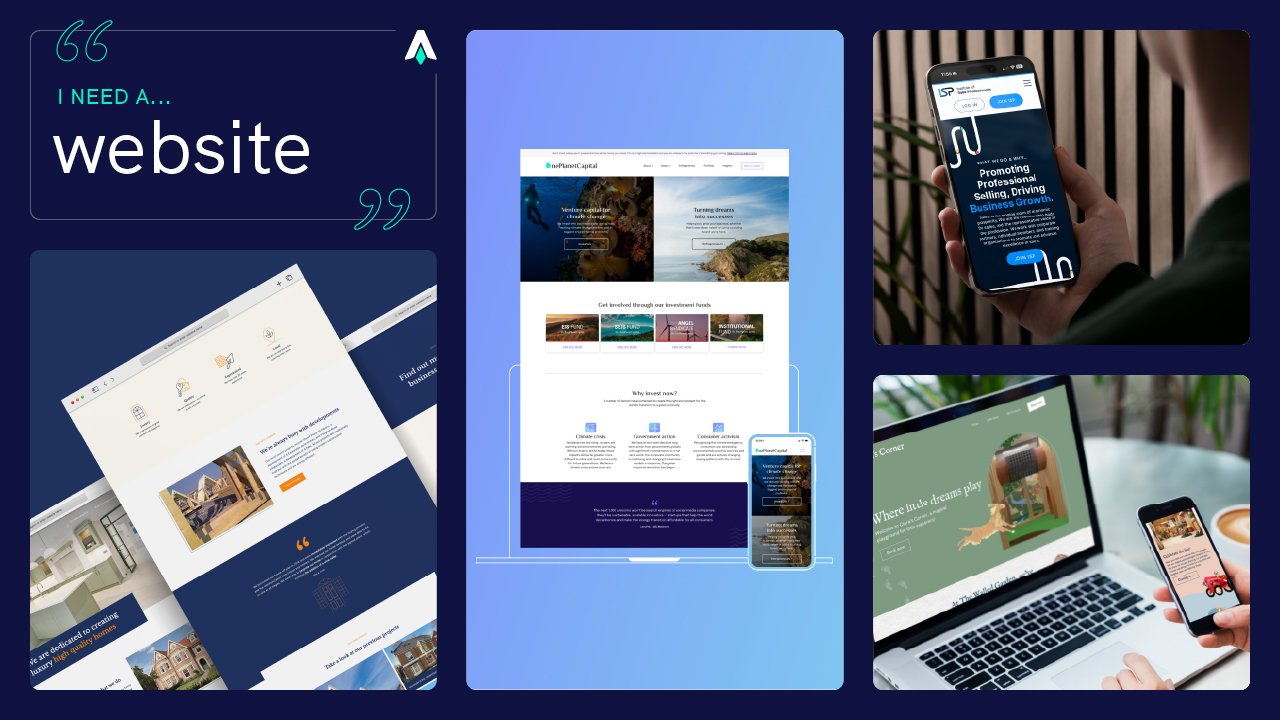
This is another point almost every businesses reaches, whether they are starting from scratch and trying to establish their first online presence, or reaching a point where their existing website no longer accurately represents them.
You might simply need a professional online presence that explains who you are, what you do and gives people a simple way to get in touch. Alternatively, you may need something broader, with service pages, case studies, e-commerce functionality or more involved sitting in the back-end.
“I need a website” can mean very different things depending on the business, the audience and what the website is expected to help achieve. Some websites exist to generate enquiries, some are there to build trust and explain a brand’s story, while others need to support bookings, transactions, stock management or customer accounts as part of how the business operates.
The answers to those questions decide everything that comes next, from the size and structure of the website through to the platform, functionality and content choices we’ll make as we design and build.
There can often be a temptation to communicate as much information as possible, but in most cases, a website simply needs to move people clearly from discovering your business to taking the next step you want them to take. A website is also not a fixed thing. Pages, content and functionality can all evolve over time, as long as the core foundations and structure are thought through properly at the beginning.
Which website do you need?
The type of website you need depends on what you are trying to achieve, how people discover your business and what you need them to do once they arrive there. You may simply need a credible online presence that helps generate enquiries. In those situations, we’ll focus on clarity, making it easy for people to quickly understand what you do, build confidence in your business and brand, and then find it easy to take the next step. That might mean a smaller website with a focused homepage, a few supporting sections and clear calls to action throughout.
Alternatively, you may need something broader that gives people more depth before they are ready to enquire. This is especially common in B2B sectors where decision making can take longer and buyers want to fully understand the business, the people behind it and the quality of the work being delivered. In those cases, service pages, case studies, FAQs, team information and supporting content all begin playing a bigger role.
E-commerce stores, booking systems, rental platforms, inventory databases or customer portals all introduce another layer of thinking because the website is no longer simply communicating information, it is supporting part of the business operation itself.
There can sometimes be a temptation to overcomplicate things early on, adding pages, functionality or sections that are not yet needed. A more focused website with clear structure, consistent branding and strong messaging will often perform far better than a large website filled with unnecessary information or features that make things harder to navigate or understand. The important thing is understanding which category you sit in before moving too quickly into design and build decisions.
The platform puzzle
Once you are clear on the structure and purpose of your website, the next step is deciding which platform makes the most sense for how you want the site to operate moving forward.
If you want something straightforward and easy to manage yourself day-to-day, platforms like Squarespace are often a sensible option. You can usually handle simple content updates, image swaps or blog uploads yourself without needing technical knowledge or returning to a developer every time something changes.
If your website needs more depth, flexibility or functionality, WordPress may be the better route. You will still be able to manage basic updates internally, but larger structural or development changes will usually continue being handled by a developer.
If you are planning to sell products online, Shopify is often the strongest fit because it is built specifically around e-commerce, stock management and transactions.
Some developers will naturally steer you towards more development-heavy platforms, which can also create more reliance on external support for ongoing changes and maintenance. Whether that is right for you really comes down to how hands-on you want to be with your own website. You may want complete control internally, or you may prefer us to manage updates and upkeep on an ongoing basis instead, the choice is yours.
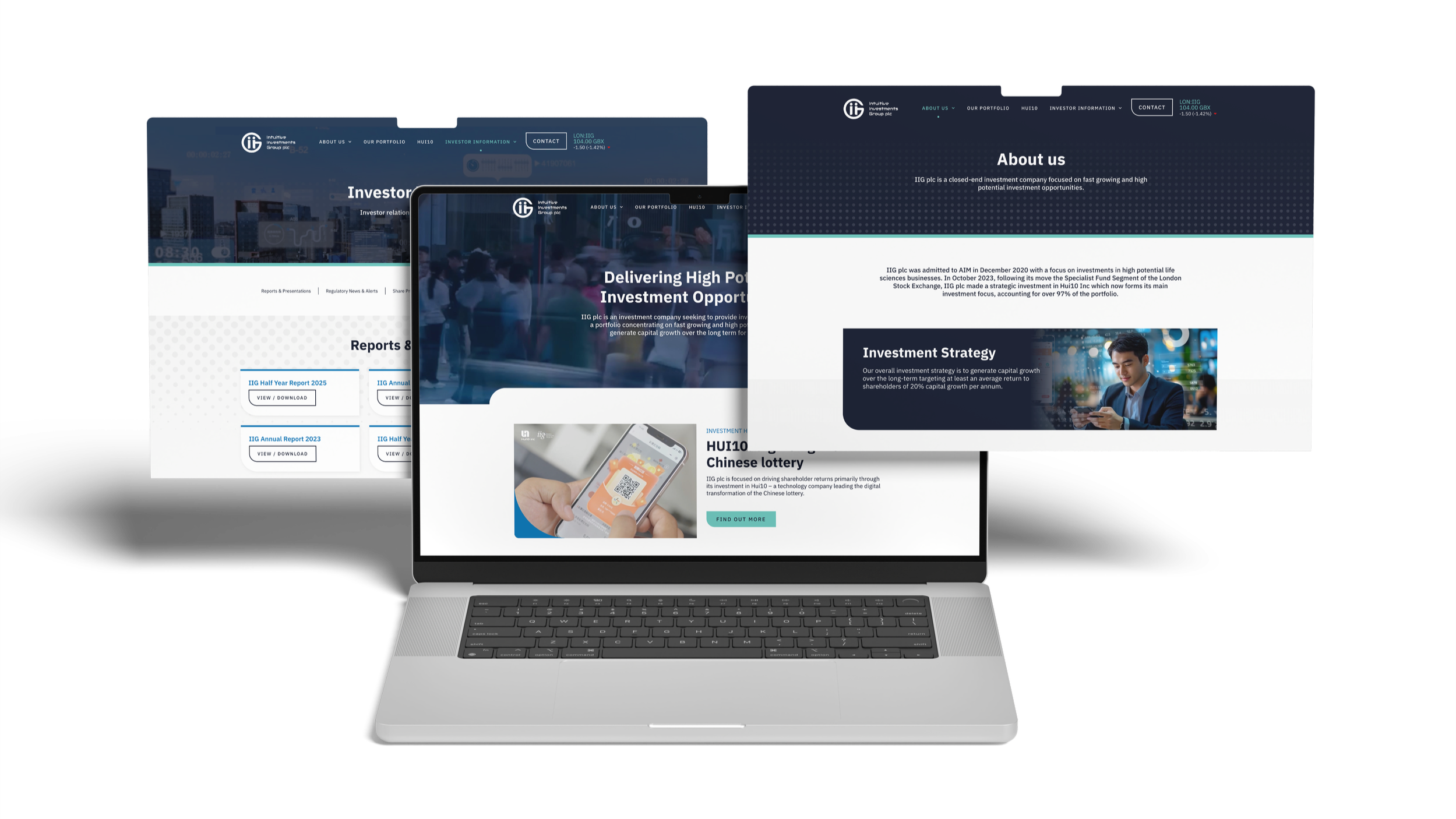
Building step-by-step
1. Understanding your brand
Before any design or development work begins, we first need to understand your business itself, how you want to be perceived and how clearly that is currently being communicated. Naturally, the website is going to look good, but behind that we also want visitors to quickly understand who you are and feel confident engaging with you.
2. Mapping out the structure
Once the brand foundations are clear, we begin planning the structure of the website itself. This is where we decide what pages are needed, how people will move through the site and what information needs to be prioritised to help them take the next step easily.
3. Planning the content
At this stage we begin shaping the content needed across the website, from messaging and imagery through to case studies, FAQs and supporting information. The focus is always clarity, helping people quickly understand the business without overwhelming them with unnecessary detail.
4. Designing the website
Once the structure and content direction are agreed, the design stage begins. This is where the website starts taking shape visually across desktop and mobile, making sure everything feels consistent, easy to navigate and aligned with the wider brand around the business.
5. Building and testing
Once designs are approved, the website is built on the agreed platform and tested properly across devices before launch. Depending on the project, this may also involve ecommerce functionality, booking systems, enquiry forms or integrations needed to support how the website operates day to day.
6. Launch and ongoing updates
Once everything is tested and approved, it is time to get the website live and out into the world. At that point you are up and running, although naturally websites continue evolving over time, so if you need help with updates, additions or support further down the line, we can still be there as and when needed.
First thoughts to finished in a few weeks
Website projects are often assumed to be long, complicated processes that drag on for months, but once the brand foundations, structure and sitemap are agreed, the design and build stage itself can move very quickly.
Getting those foundations right early on makes a huge difference. Once the messaging, visual identity and wider graphic assets are in place, they become much easier to apply consistently across the website and the wider business around it, helping everything connect in practice internally while also presenting a far clearer and more credible brand externally.
A standard B2B or B2C website can often be designed and built within a few weeks once everything is mapped out and agreed upfront. Before long, the website is live and working hard for the business, whether that means generating enquiries, showcasing work or helping people quickly understand what you do and why they should feel confident choosing you.
Ready to build?
If you are currently thinking “I need a website”, this could quite easily be you a few weeks from now, with a website up and live, representing your brand and working hard generating enquiries, showcasing your work or helping people better understand your business.
Let’s have a chat about what type of website you really need, what platform makes the most sense and what foundations need putting in place before the design and build begins.
Need more?
Here's how we can help...
Explore our full range of services by exploring this website.
Get in touch to speak directly with our team.
Test your own brand for clarity here.